Before & After: What Actually Changes in a Professionally Designed Space
The difference between a DIY room and a professionally designed one isn't always obvious at first glance — but it's felt immediately. Here's what really changes.
M Grace at Home
Interior Design Studio
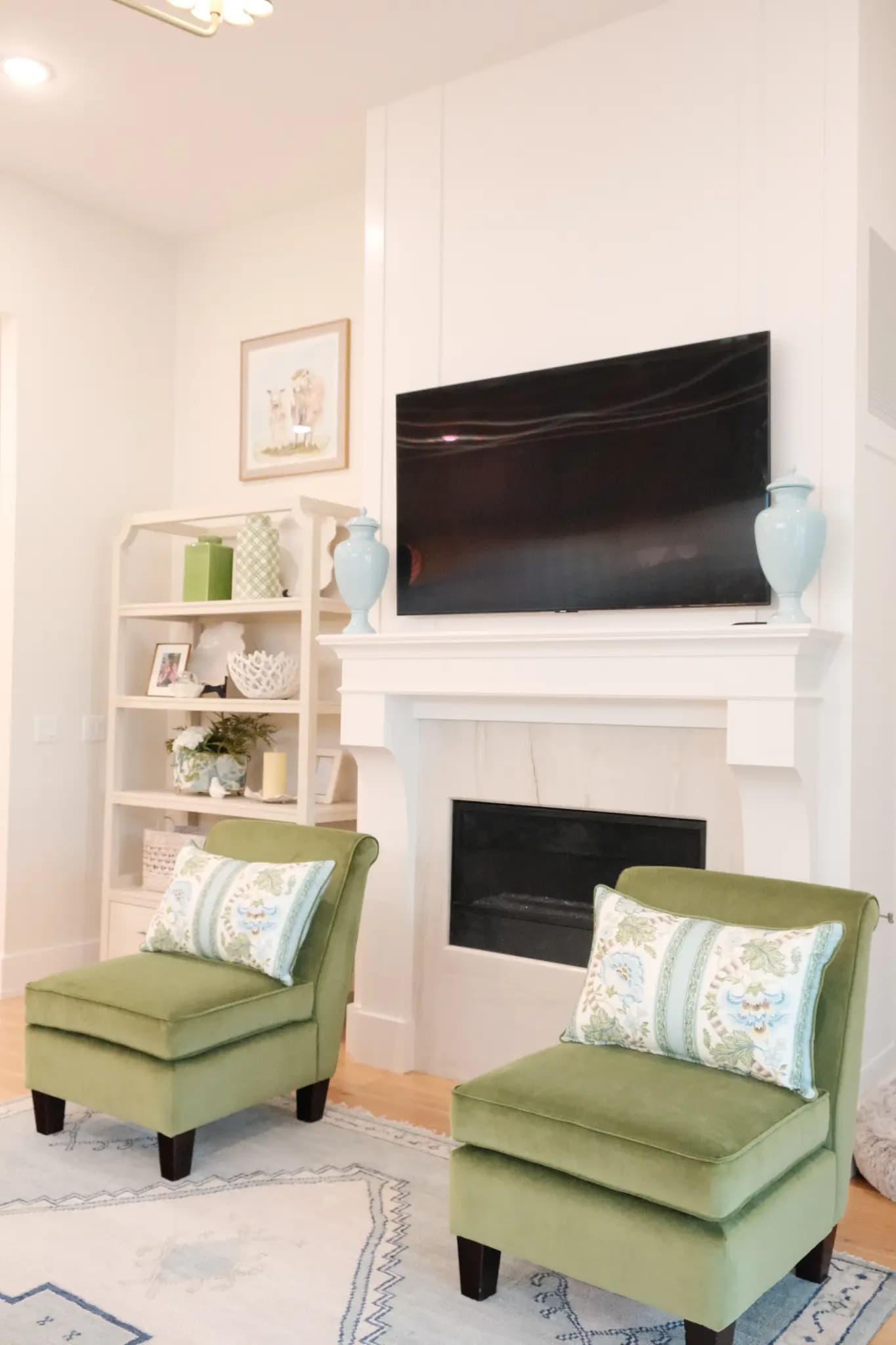
You've seen the before-and-after photos. The dramatic reveals, the jaw-drop moments. But the real magic of professional design isn't always in the obvious — it's in the details you feel more than see.
The way a room flows when you walk through it. The light that lands exactly where it should. The sense that every piece belongs, not because it matches, but because it was chosen.
Here's what actually changes when a designer gets involved.
Layout and Flow
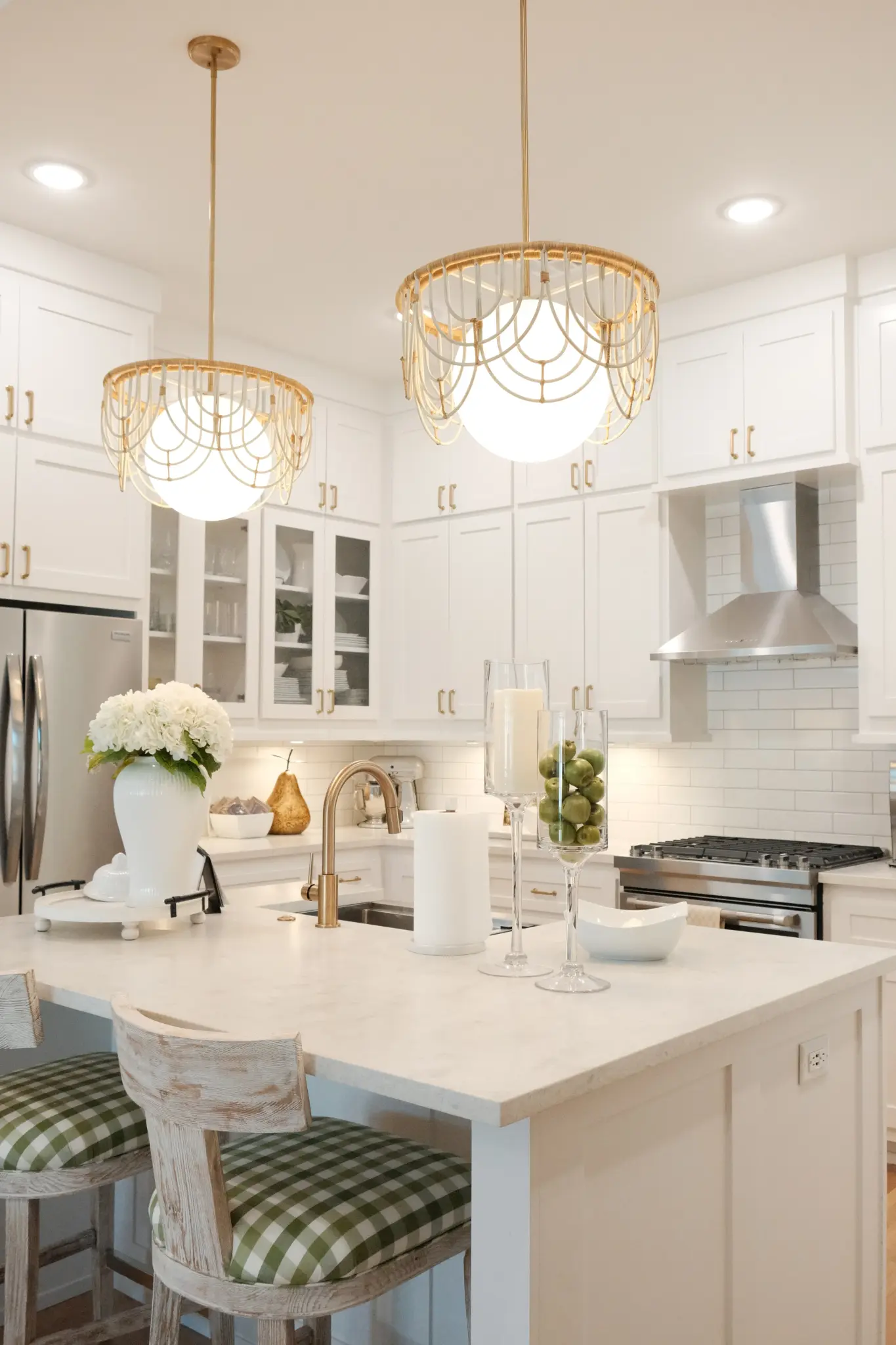
The single biggest transformation in most spaces isn't the furniture itself — it's where it's placed.
Professional designers think about:
- Traffic flow — How you move through a room without bumping into things
- Conversation zones — Seating arranged for connection, not just against walls
- Sight lines — What you see when you enter, and how the eye travels through the space
A well-laid-out room feels effortless. A poorly laid-out room always feels slightly wrong, even when everything in it is beautiful.
Scale and Proportion
This is where DIY rooms most often miss the mark. A rug that's too small. A sofa that overwhelms the room. Art hung too high or too low.
Designers are trained to see these relationships — the balance between furniture, ceiling height, window placement, and negative space. It's the kind of thing you can't quite name when it's right, but you absolutely notice when it's off.
Material and Finish Cohesion
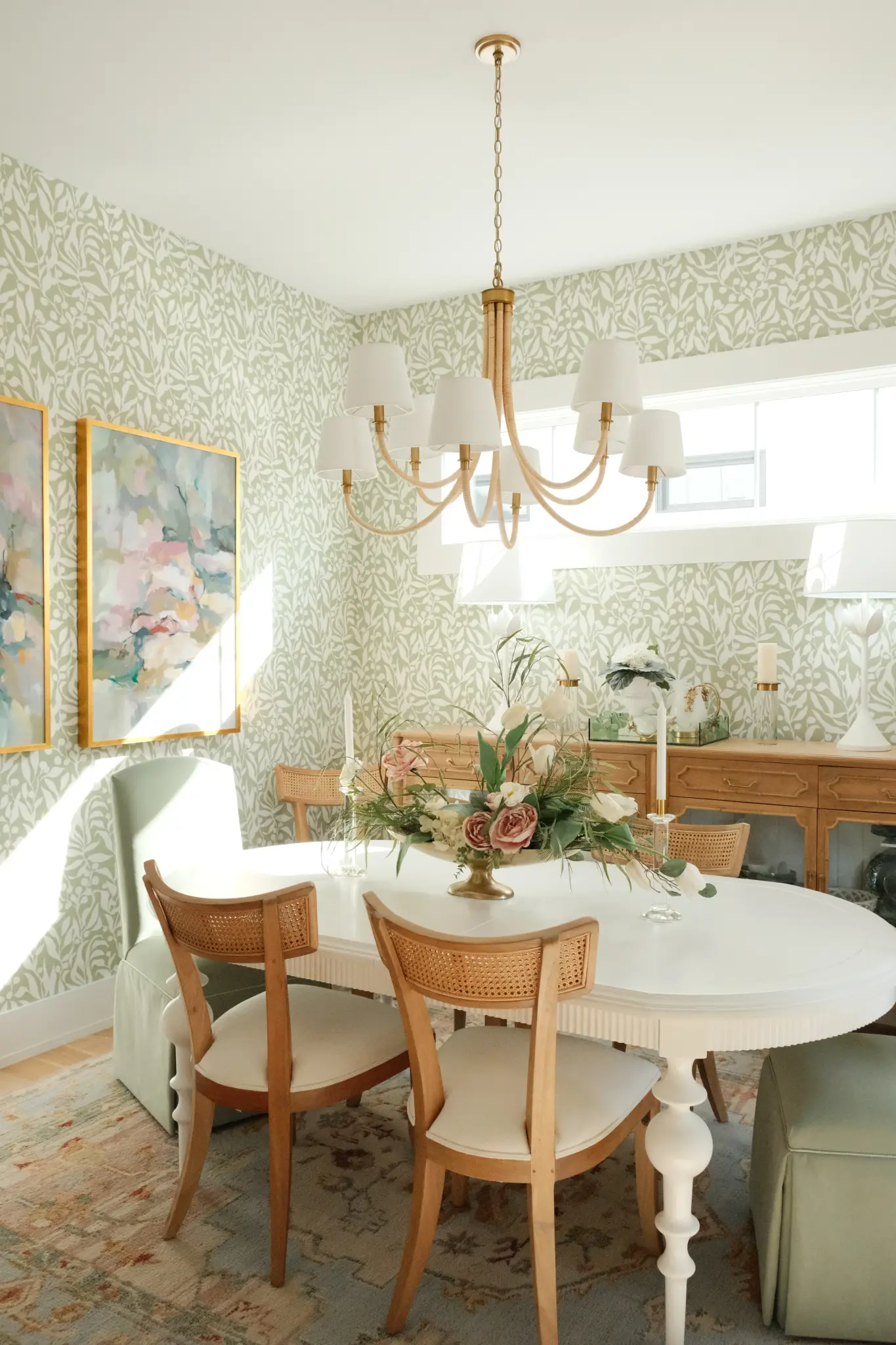
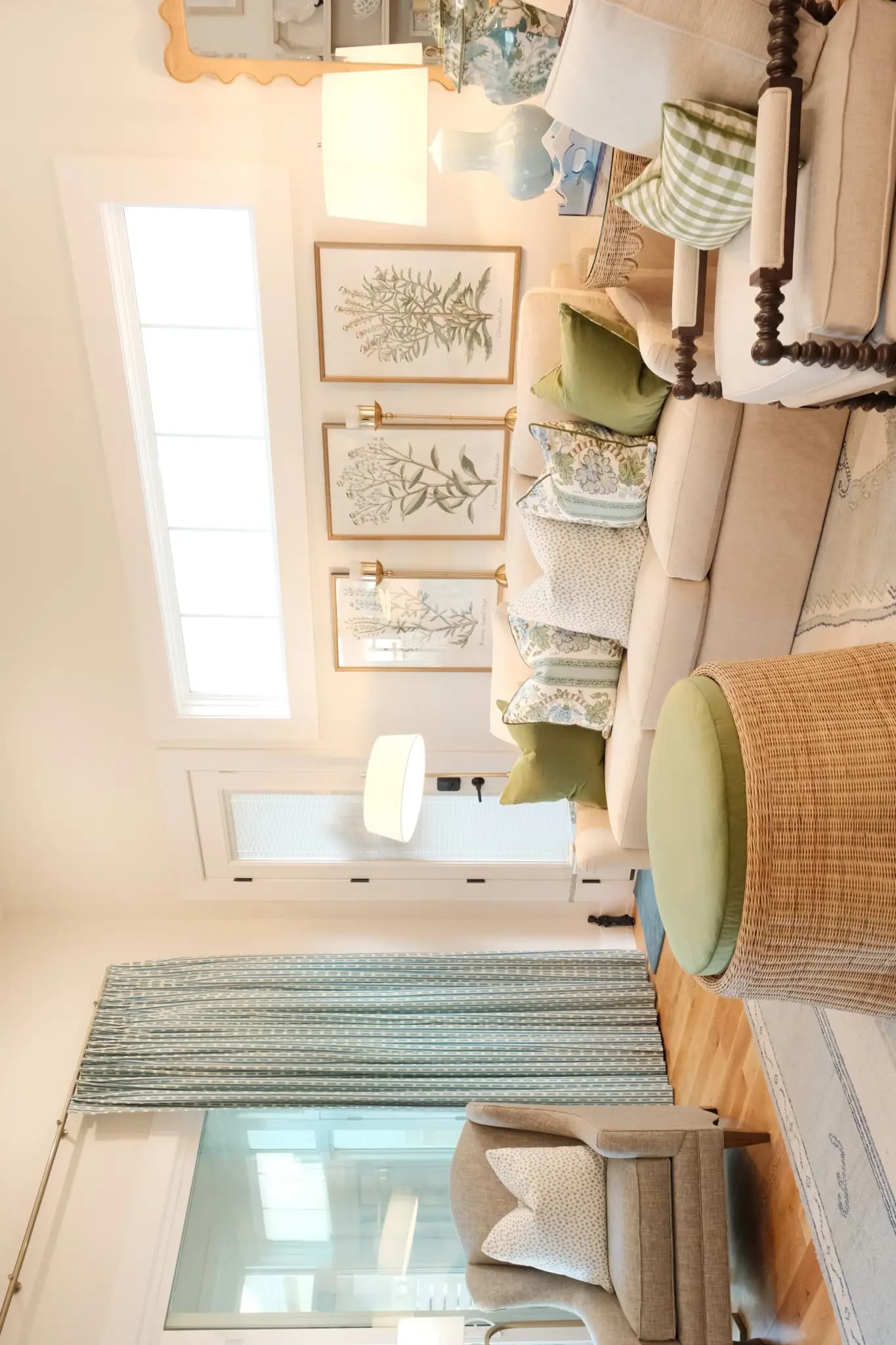
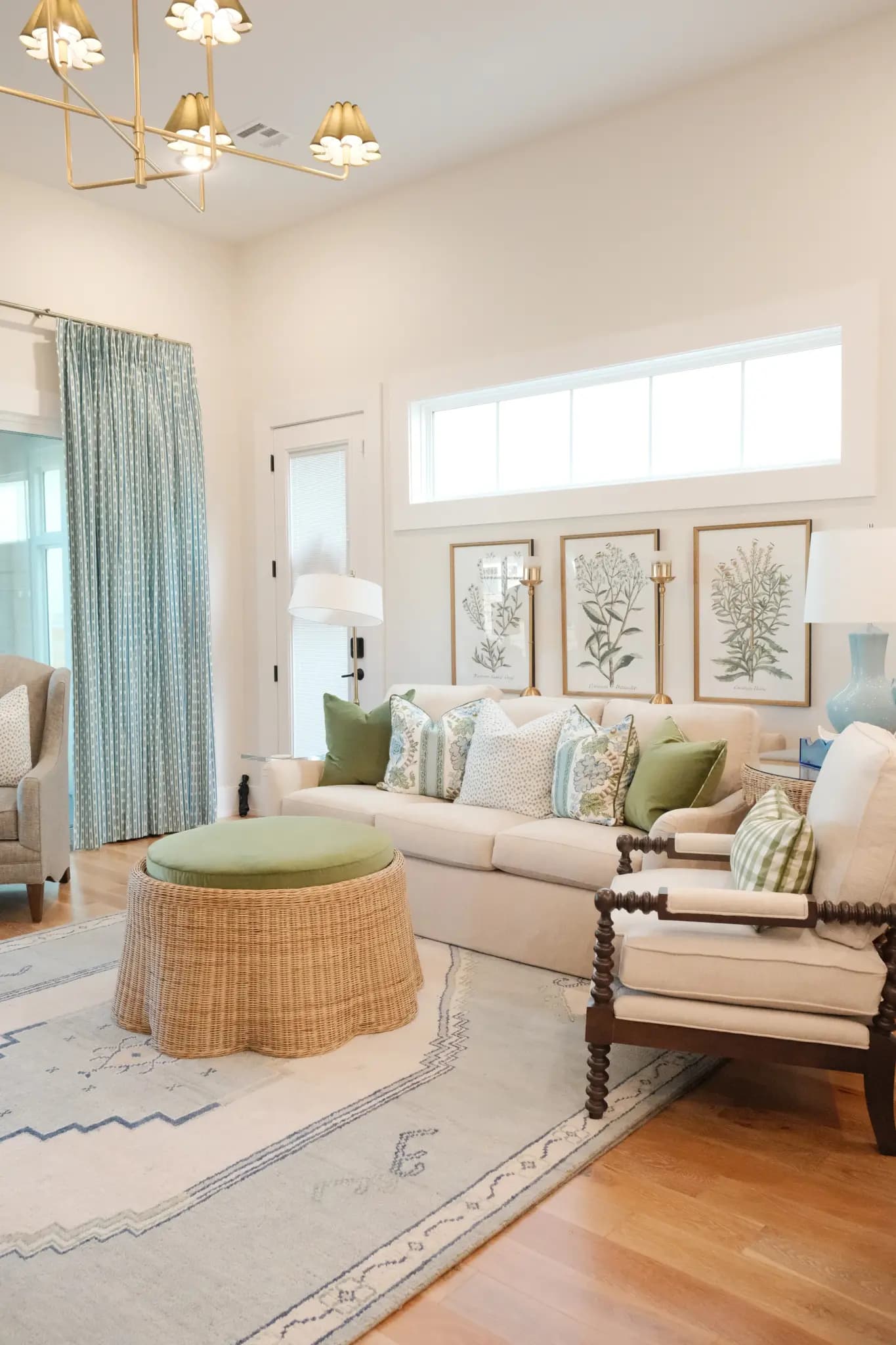
In a designed space, there's a thread that runs through every choice. The wood tones relate to each other. The metals don't compete. The textiles build a palette rather than a patchwork.
This doesn't mean everything matches — it means everything connects. That cohesion is what makes a room feel curated rather than collected over time from different aisles of a big-box store.
Lighting That Tells a Story
Most rooms rely on a single overhead light. Professionally designed spaces layer light intentionally:
- Ambient for overall warmth
- Task for function — reading, cooking, working
- Accent for drama — highlighting art, architecture, or a favorite corner
The difference is night and day. Literally.
The Intangibles
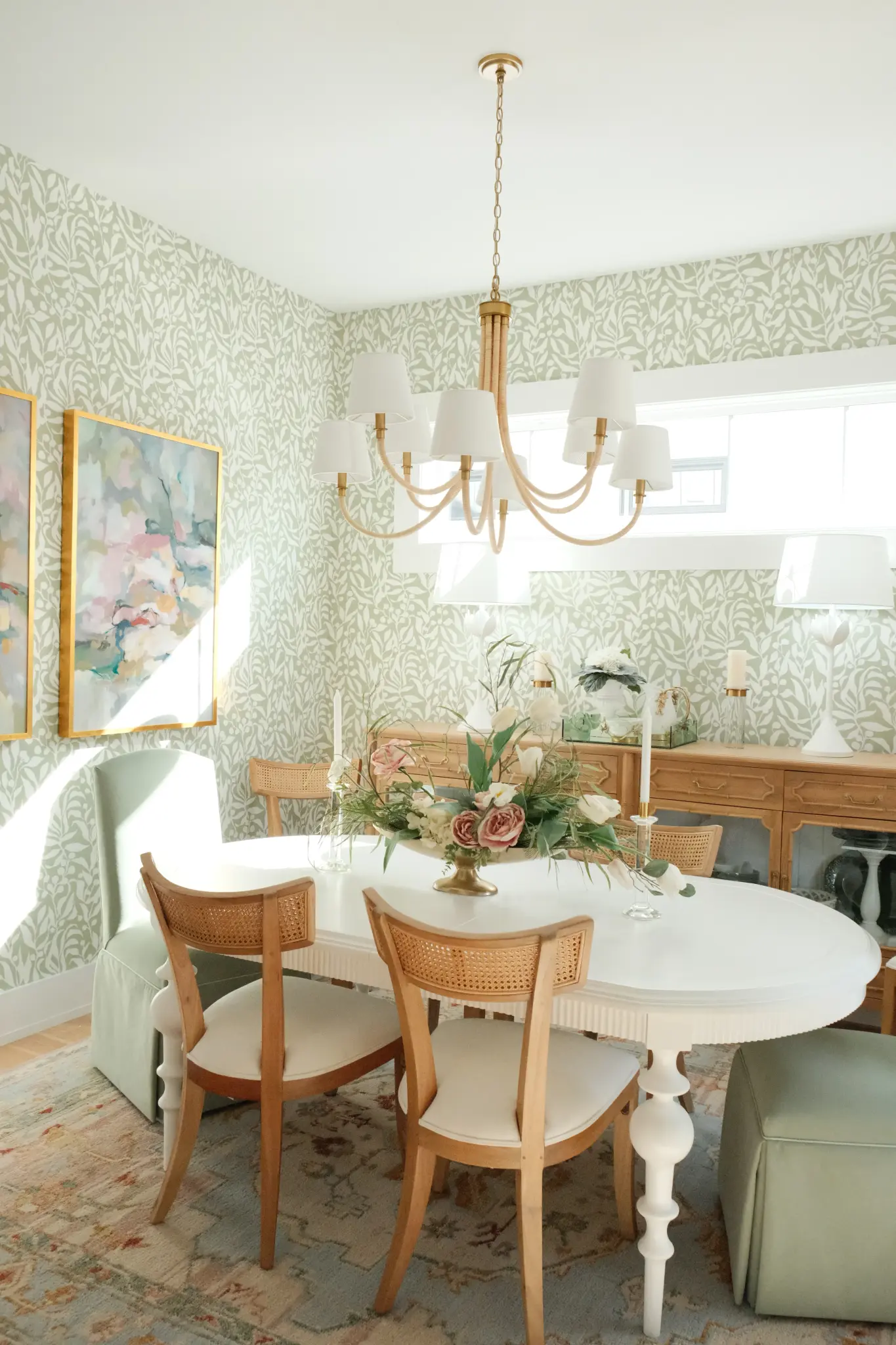
Beyond the physical changes, there's something harder to measure: how the room makes you feel.
A professionally designed space often feels:
- Calmer, because there's less visual noise
- More personal, because someone took time to understand how you live
- More complete, because nothing was left as an afterthought
That feeling — of walking into a room and exhaling — is what design is really about.
It's Not About Spending More
The biggest misconception about hiring a designer is that it means spending more money. In reality, it often means spending smarter — avoiding costly mistakes, investing in pieces that last, and creating a space that genuinely works for years to come.
Ready to see what's possible in your space? Let's start the conversation.
You might also enjoy
Schedule a Consultation
Ready to transform your space? Share a few details and we'll be in touch. Include an email or phone so we can reply.