How to Layer a Room Like a Designer
The secret to rooms that feel rich, finished, and effortlessly pulled together? Layering. Here's the framework designers use to build depth and warmth into every space.
M Grace at Home
Interior Design Studio
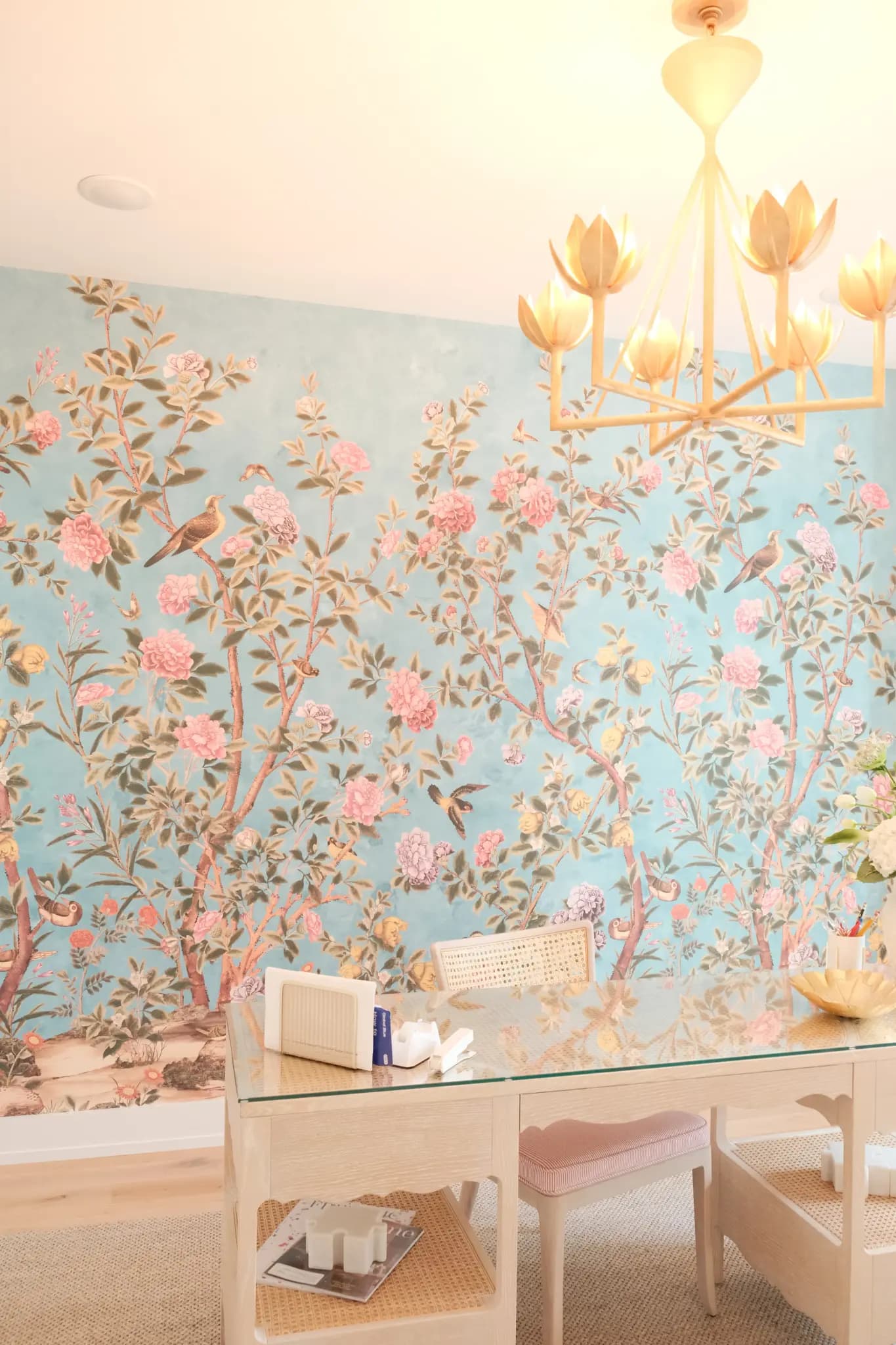
Walk into a room that was designed by a professional and you'll notice something: it has depth. The space doesn't feel flat or one-dimensional. There's richness — in the textures, the lighting, the way surfaces and fabrics play off each other.
That depth comes from layering. It's one of the core principles of interior design, and once you understand it, you'll see it everywhere — and notice when it's missing.
What Is Layering?
Layering in design means building a room in stages, combining different elements so that each one adds dimension without competing with the others.
Think of it like getting dressed. A great outfit isn't one piece — it's a shirt, a jacket, a scarf, the right shoes, a watch. Each element contributes something. Together, they tell a story.
A room works the same way.
Layer 1: The Foundation
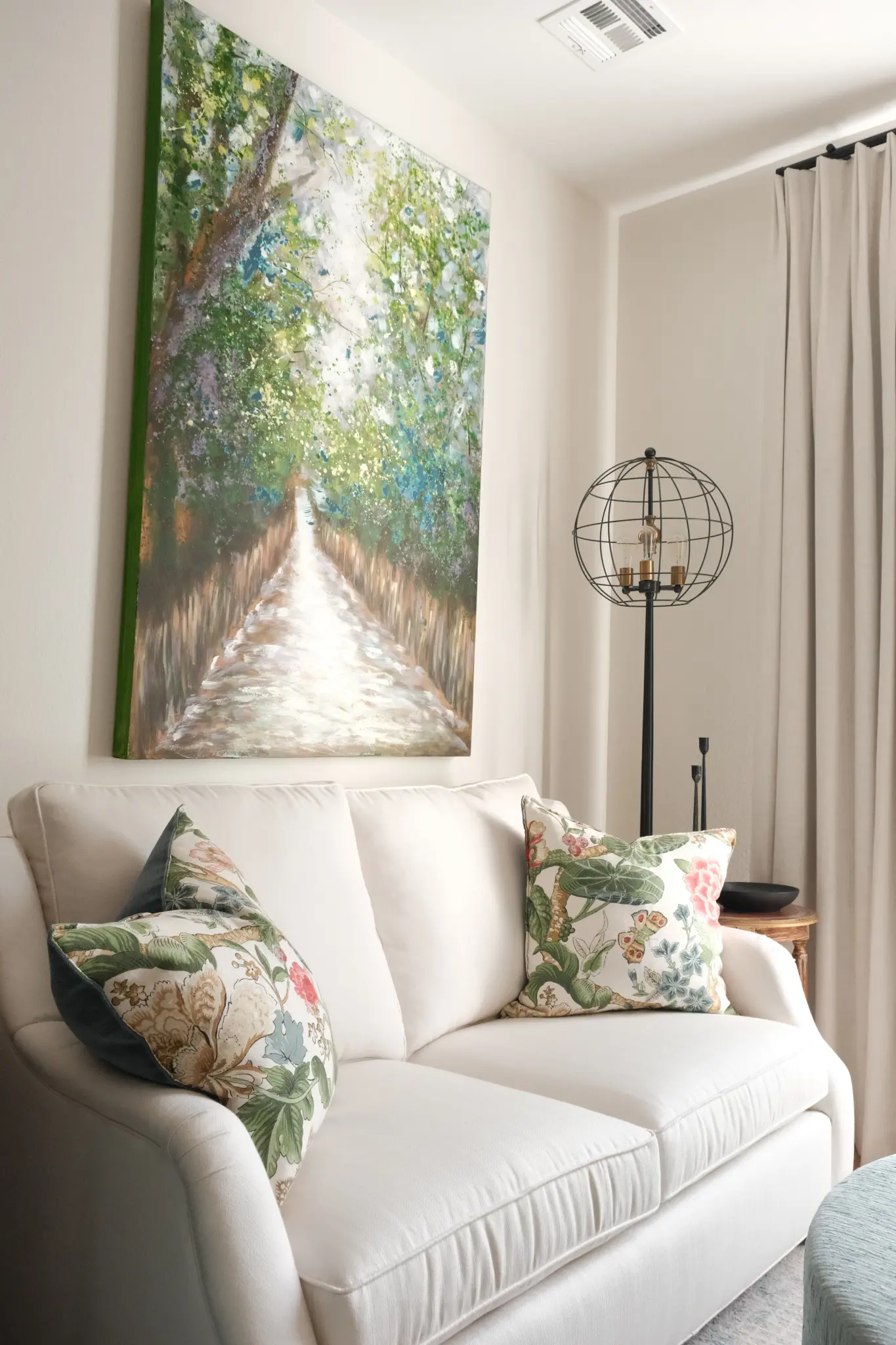
The foundation is the largest, most permanent layer — the things that define the room's bones:
- Flooring (hardwood, tile, carpet)
- Wall color or treatment (paint, wallpaper, plaster)
- Major furniture (sofa, dining table, bed)
These should be relatively neutral and timeless. They're the canvas everything else is built upon.
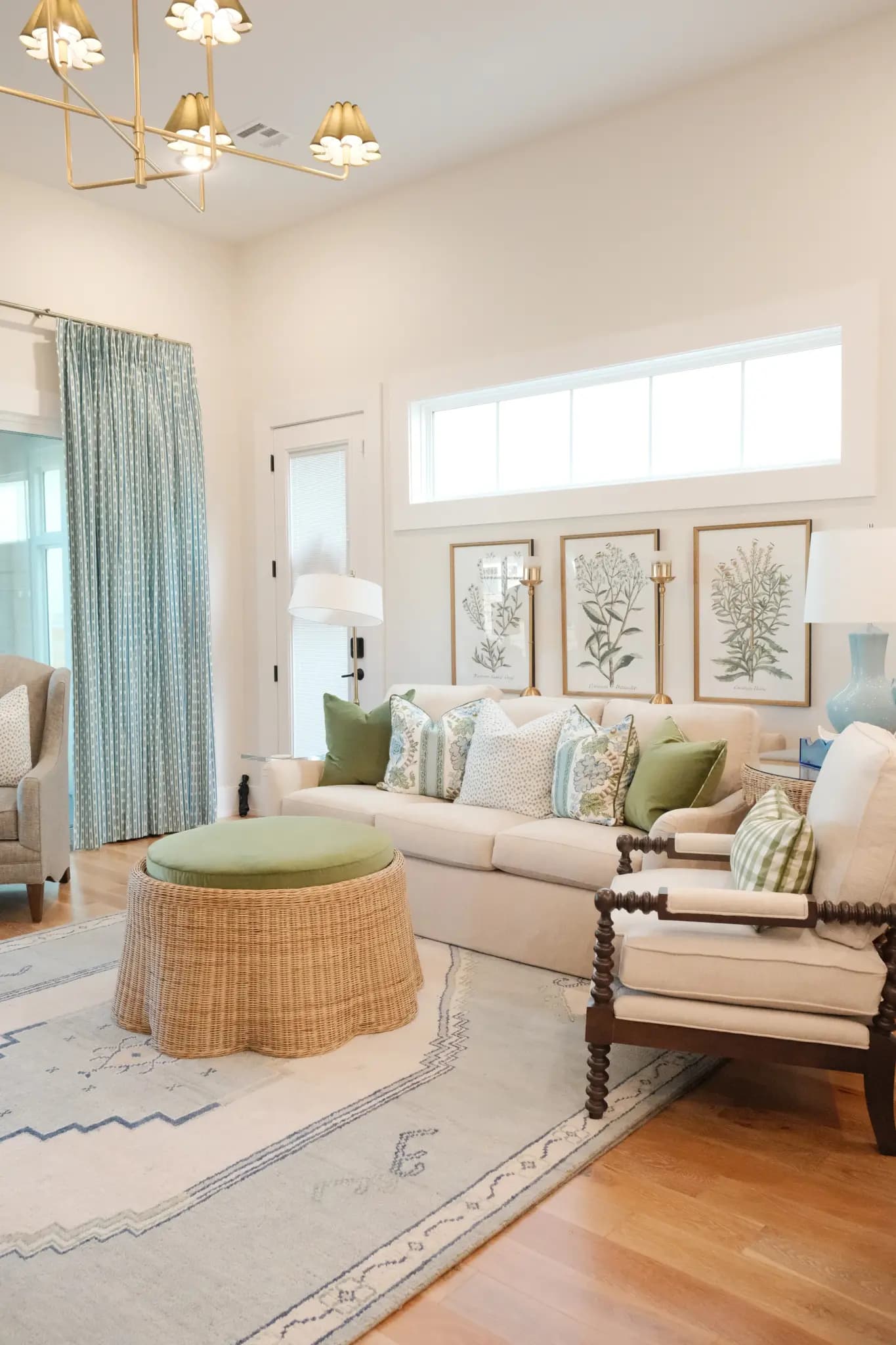
Layer 2: Texture and Textiles
This is where a room starts to come alive.
- Rugs to anchor the space and add warmth underfoot
- Curtains to frame windows and soften walls
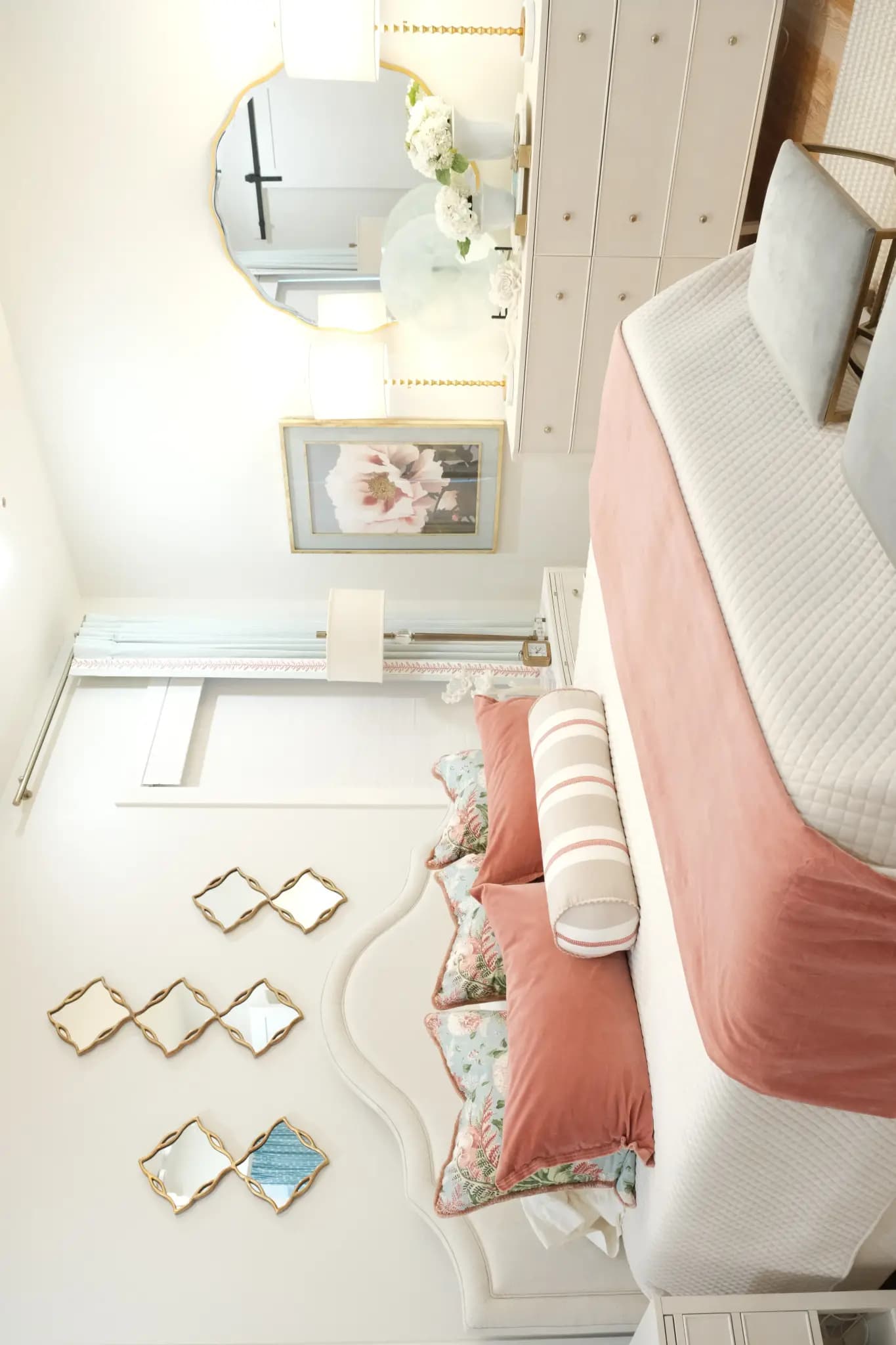
- Throw pillows and blankets to add touchable variety
- Upholstered pieces in different fabrics — linen against velvet, bouclé beside cotton
The key is contrast. Smooth against rough. Matte against sheen. Heavy against light. These differences create visual interest without adding clutter.
Layer 3: Lighting
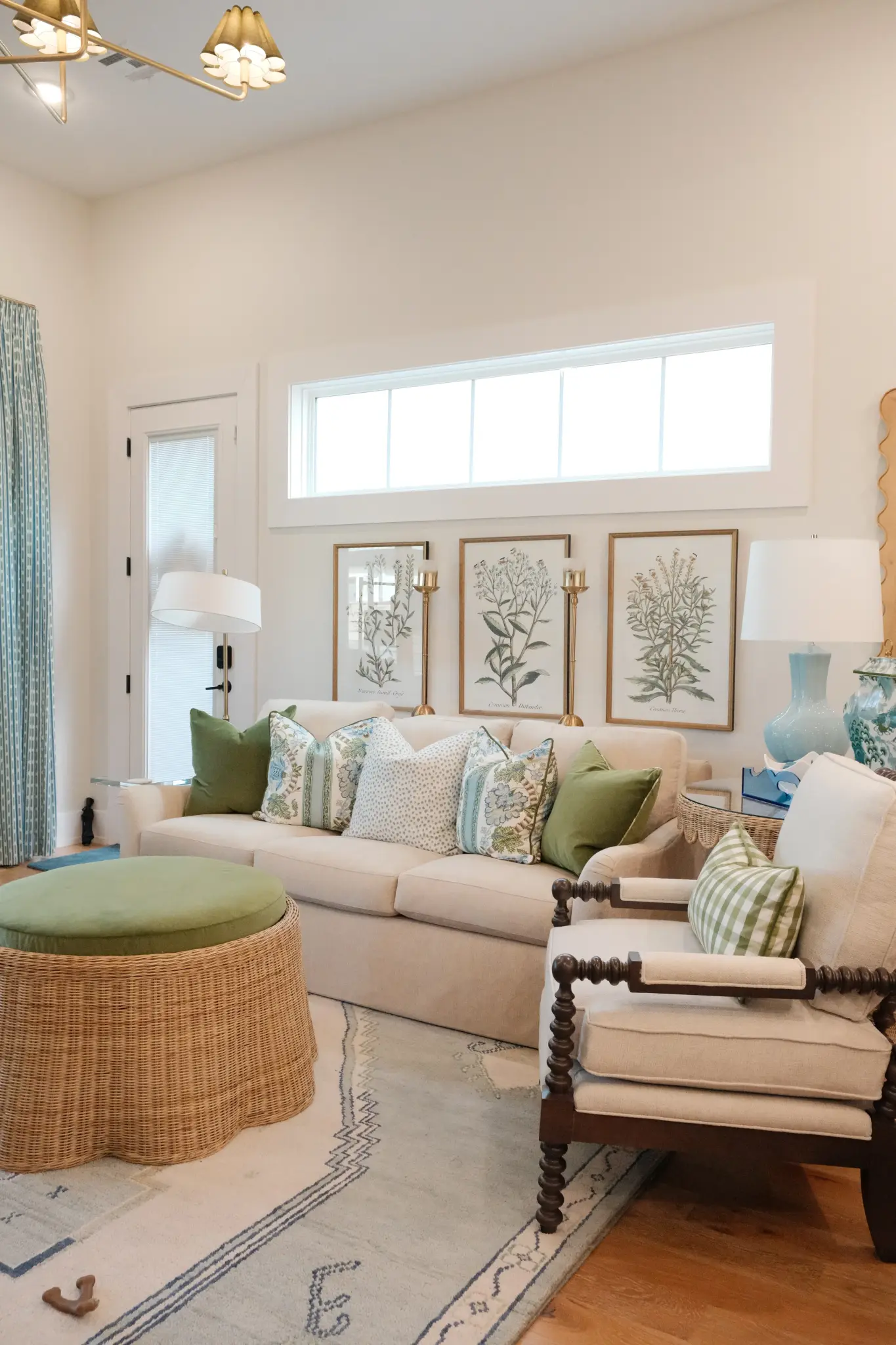
Good lighting is layered just like the room itself:
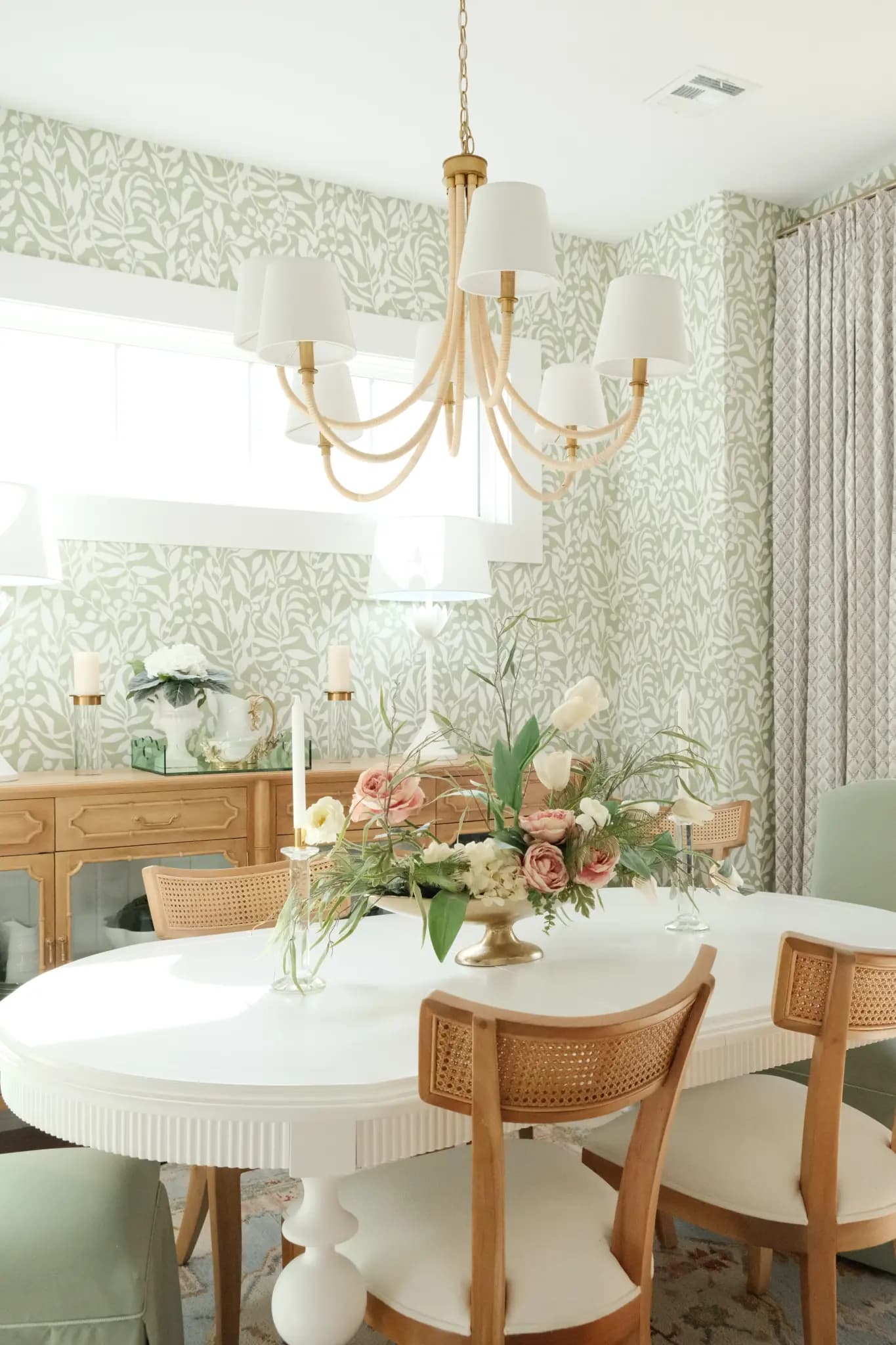
- Overhead / ambient — The general wash of light (ideally on a dimmer)
- Task — Directed light for reading, cooking, or working
- Accent — Highlighting art, architecture, or a feature wall
The best-lit rooms have all three, working together to create warmth and dimension. A single overhead light is the design equivalent of fluorescent lighting in an office — functional, but soulless.
Layer 4: Accessories and Art
This is the personal layer — the objects that make a house yours:
- Art that resonates with you (not just something that fills the wall)
- Books, ceramics, and collected objects that tell a story
- Trays, vessels, and sculptural pieces that add form without clutter
- Greenery — one or two statement plants or a simple branch in a vase
The rule of thumb: style in groups of odd numbers, vary heights, and leave some breathing room. A shelf that's 70% full looks intentional. A shelf that's 100% full looks frantic.
Layer 5: The Invisible Layer — Scent and Sound
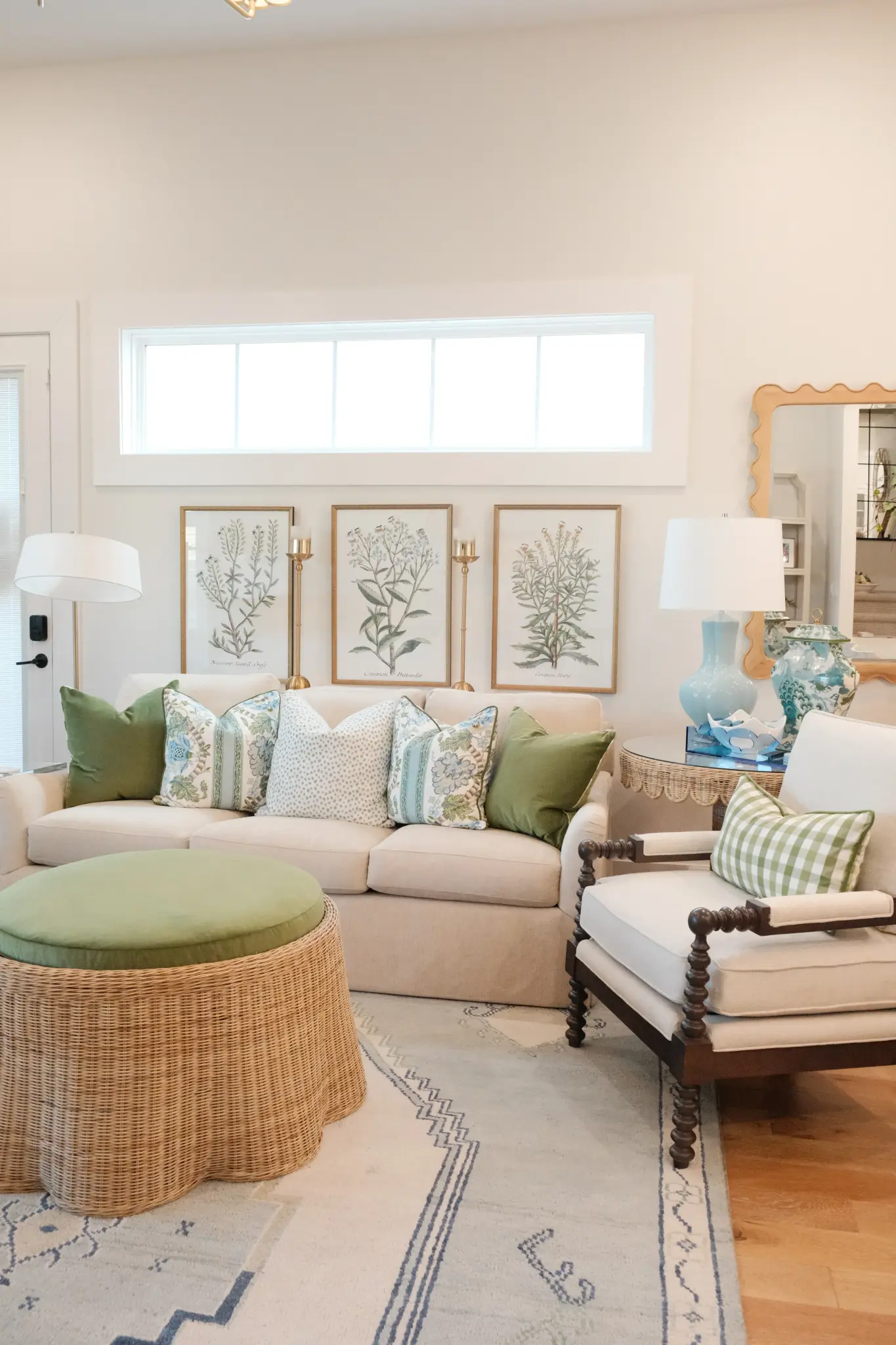
Designers know that how a room feels isn't just visual. It's sensory.
- A candle or diffuser that gives the room a signature scent
- Music or ambient sound that shapes the mood
- The way air moves through a space — natural ventilation or the quiet hum of a ceiling fan
These invisible layers are what make guests say, "I don't know what it is, but this room just feels good."
The Layering Mindset
Layering isn't about adding more stuff. It's about building intentionally — one layer at a time, each one earning its place.
The best rooms aren't decorated in a single shopping trip. They're composed over time, with each addition considered against what's already there.
Start with your foundation. Add texture. Shape the light. Then let the personal pieces land where they belong.
Want help layering your space? Book a consultation — we'll help you find what's missing and bring it all together.
You might also enjoy
Schedule a Consultation
Ready to transform your space? Share a few details and we'll be in touch. Include an email or phone so we can reply.