Designing for Real Life: How to Create a Home That Actually Works
Beautiful spaces that nobody can actually live in aren't beautiful at all. Here's how to design rooms that look stunning and function for the way your family really lives.
M Grace at Home
Interior Design Studio
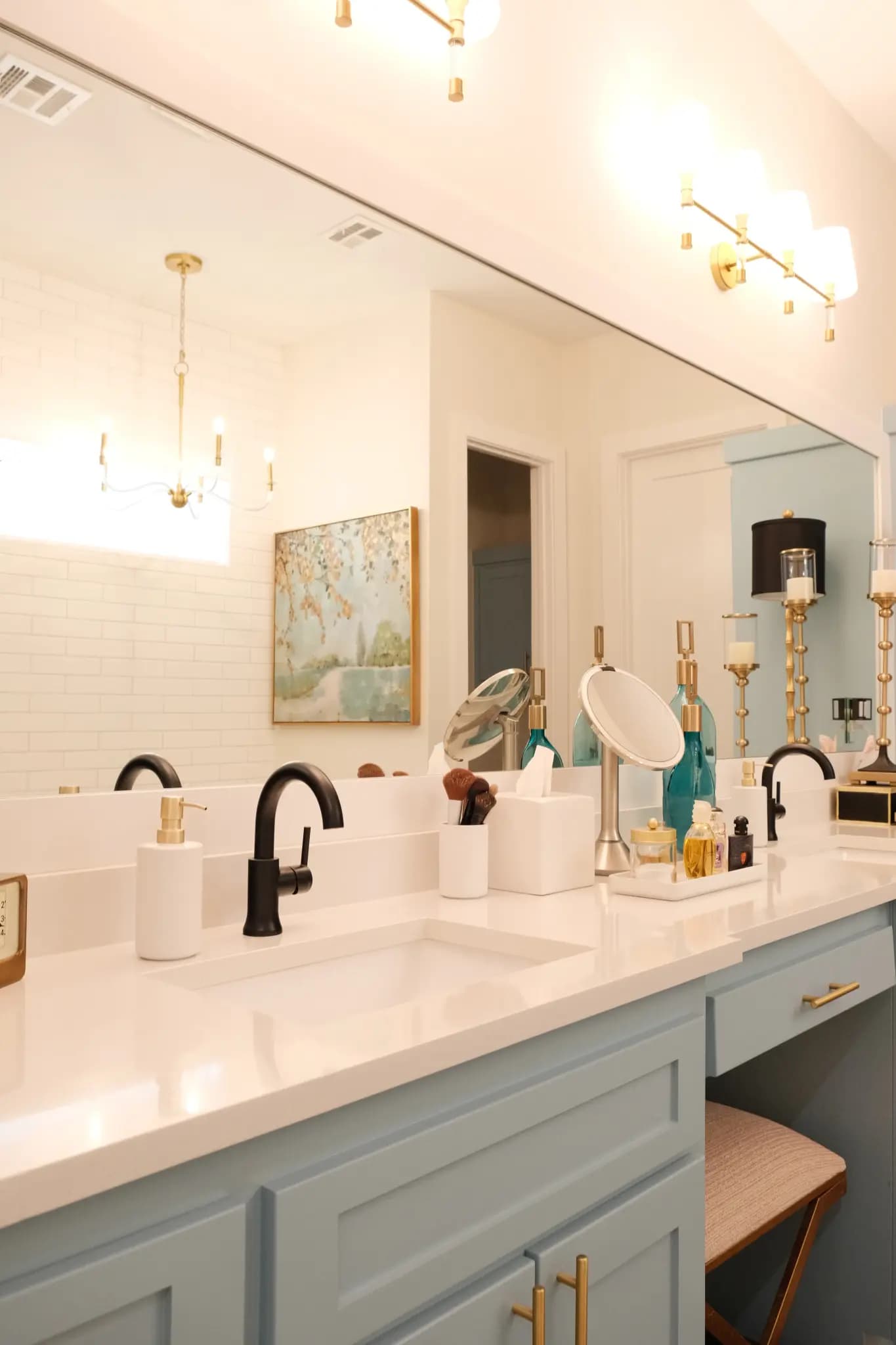
There's a version of interior design that exists only in photos — pristine white sofas, perfectly stacked coffee table books, not a fingerprint in sight.
And then there's the way people actually live.
Kids drop backpacks by the door. Dogs claim the best seat on the couch. Dinner parties spill from the kitchen to the living room. Work happens at the dining table.
At M Grace at Home, we believe the best design doesn't ask you to choose between beautiful and functional. It gives you both.
Start With How You Actually Use the Space
Before choosing a single fabric or paint color, the most important question is: What happens in this room?
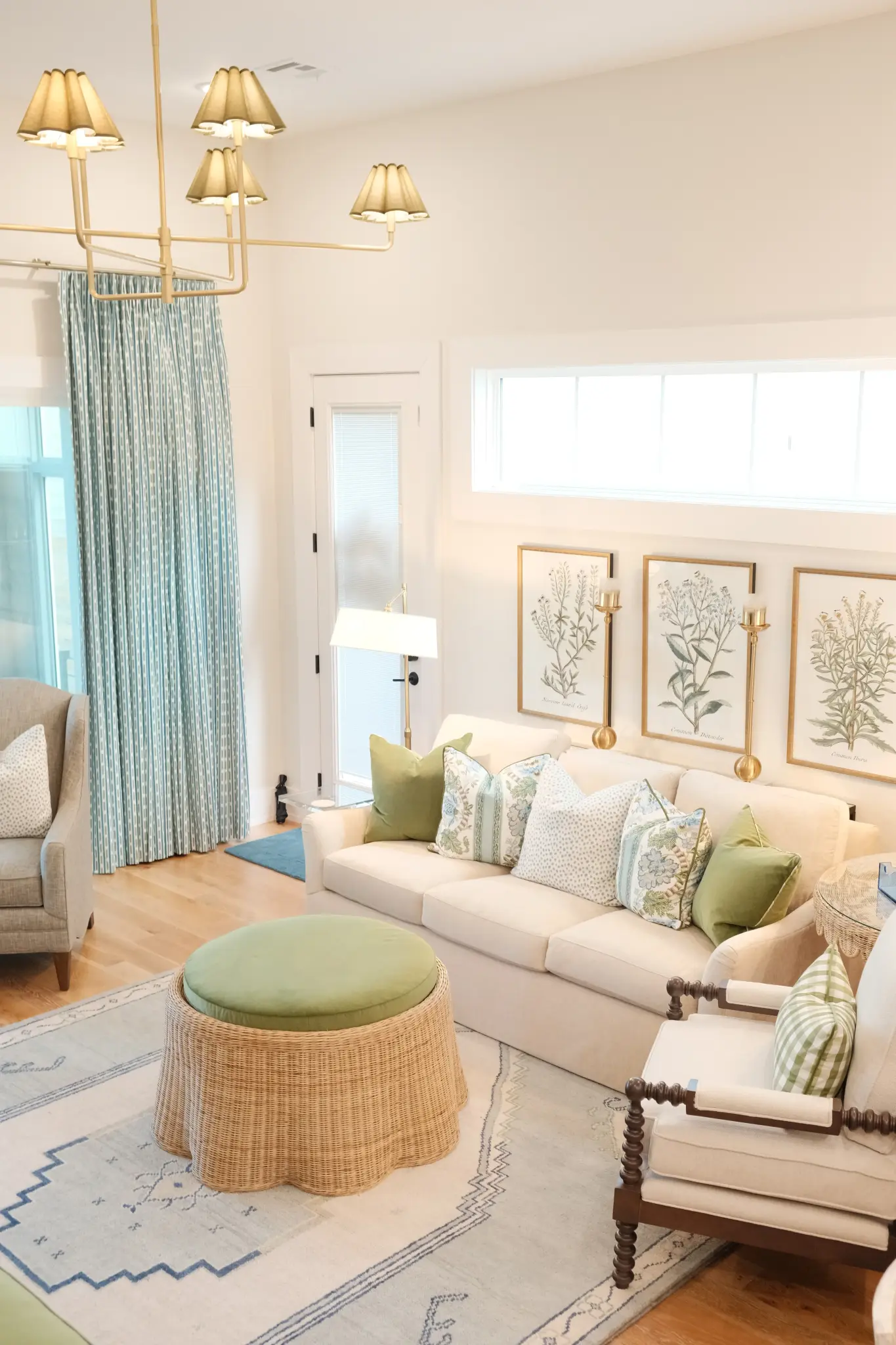
- Is this where the family gathers every evening?
- Do you work from home here?
- Is it a space for entertaining, or mostly for quiet mornings?
- Do kids and pets use this room?
The answers shape everything — from furniture selection to layout to material durability. A mudroom that looks great but can't handle wet boots has failed at its job. A living room that's gorgeous but too precious to sit in is just a beautiful waste.
Choose Materials That Live Well
This is where "real life meets real design" gets practical:
- Performance fabrics that look like linen or velvet but resist stains and wear
- Durable finishes on wood and stone that age gracefully, not anxiously
- Washable rugs that don't sacrifice style for practicality
- Leather that gets better with time, not worse
You should never have to hover over guests with a coaster or panic when someone sits on the sofa with jeans.
Build in Storage That Disappears
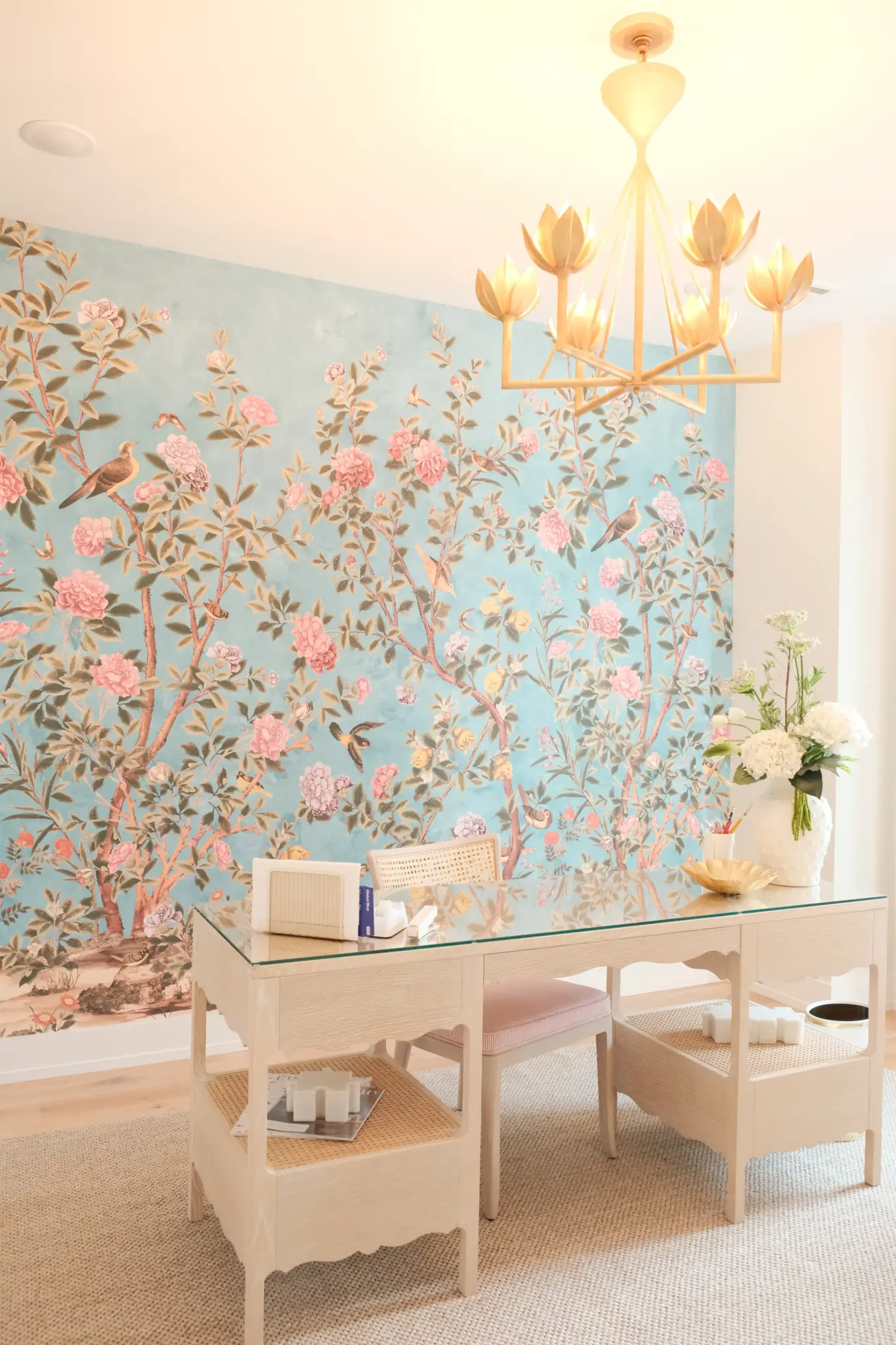
Clutter is the enemy of calm. But the solution isn't minimalism — it's smart storage.
Homes that work have:
- Closed storage for everyday mess (baskets, cabinets, built-ins)
- Open storage for things worth displaying (books, ceramics, collected objects)
- Drop zones by entries for keys, bags, and mail
- Furniture that multitasks — ottomans with storage, benches with drawers
When everything has a home, the room stays composed without constant effort.
Create Zones, Not Just Rooms
Modern life doesn't happen in neat, single-purpose rooms. The kitchen is also the homework station. The guest room doubles as an office. The living room hosts movie nights, reading sessions, and the occasional yoga flow.
The fix: Design rooms with zones rather than single functions:
- A reading nook carved out of a living room corner
- A work surface tucked into a kitchen alcove
- A daybed in the office that converts for guests
Zones make small homes feel bigger and large homes feel more intentional.
Don't Forget Comfort
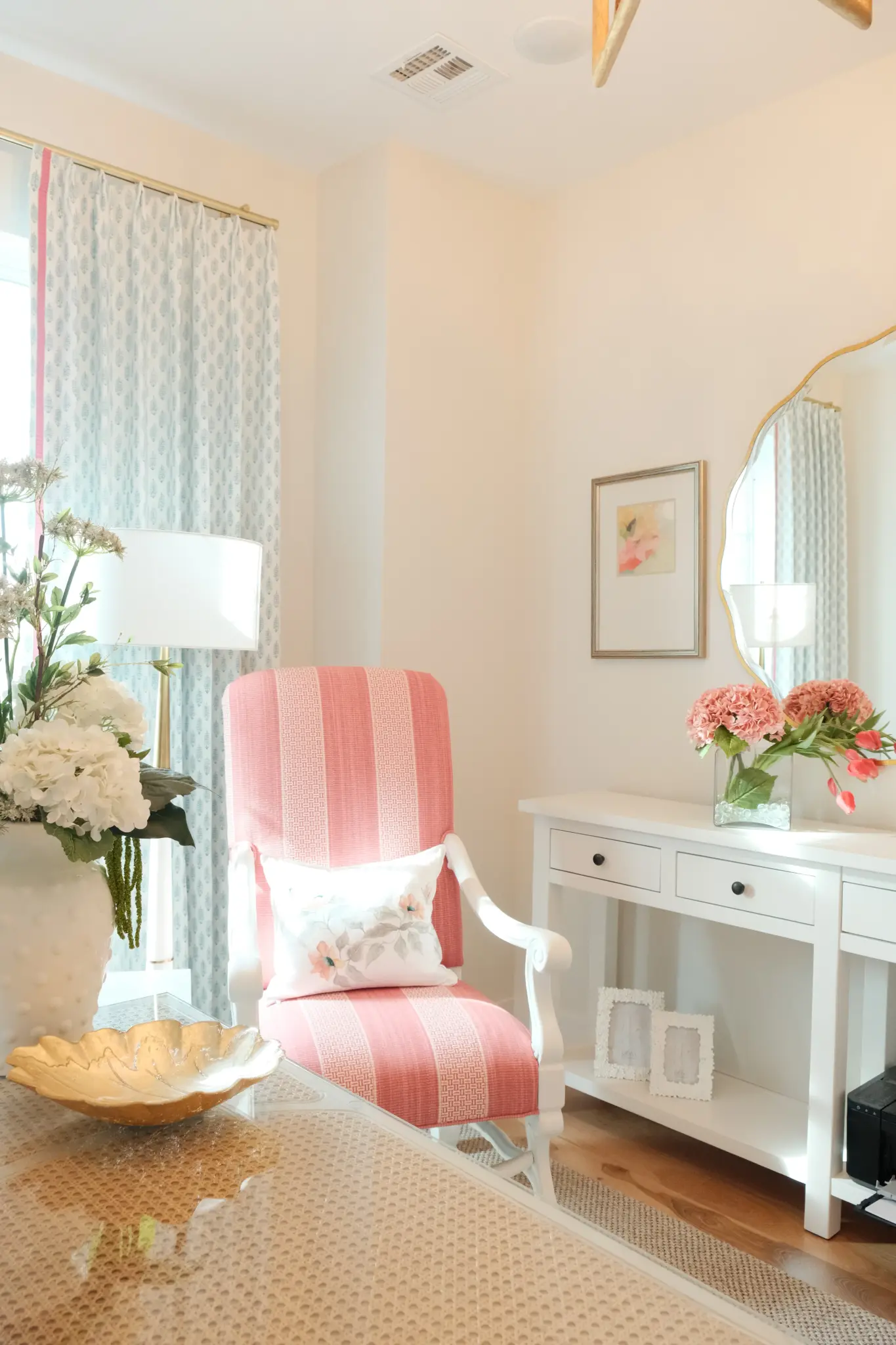
This seems obvious, but it's often sacrificed at the altar of aesthetics. Chairs that look sculptural but hurt your back after ten minutes. Sofas that are too deep or too shallow. Dining chairs without enough cushion for a long dinner.
The rule: Every seat in your home should be one you'd happily sit in for an hour. If it's not, it's the wrong piece — no matter how beautiful it looks.
Design Should Reduce Friction
The ultimate test of good design isn't how it photographs. It's how it feels on a Tuesday morning.
Does the entryway handle the morning rush? Can you cook dinner without bumping into someone? Is the bedroom a place that actually helps you rest?
When design reduces daily friction, it becomes something you feel grateful for — not just something you admire.
Want a home that works as hard as you do? Let's design it together.
You might also enjoy
Schedule a Consultation
Ready to transform your space? Share a few details and we'll be in touch. Include an email or phone so we can reply.