How to Choose the Right Design Style for Your Home
Modern farmhouse? Mid-century? Transitional? If you're overwhelmed by style labels, here's how to find an aesthetic that actually feels like you — and lasts.
M Grace at Home
Interior Design Studio
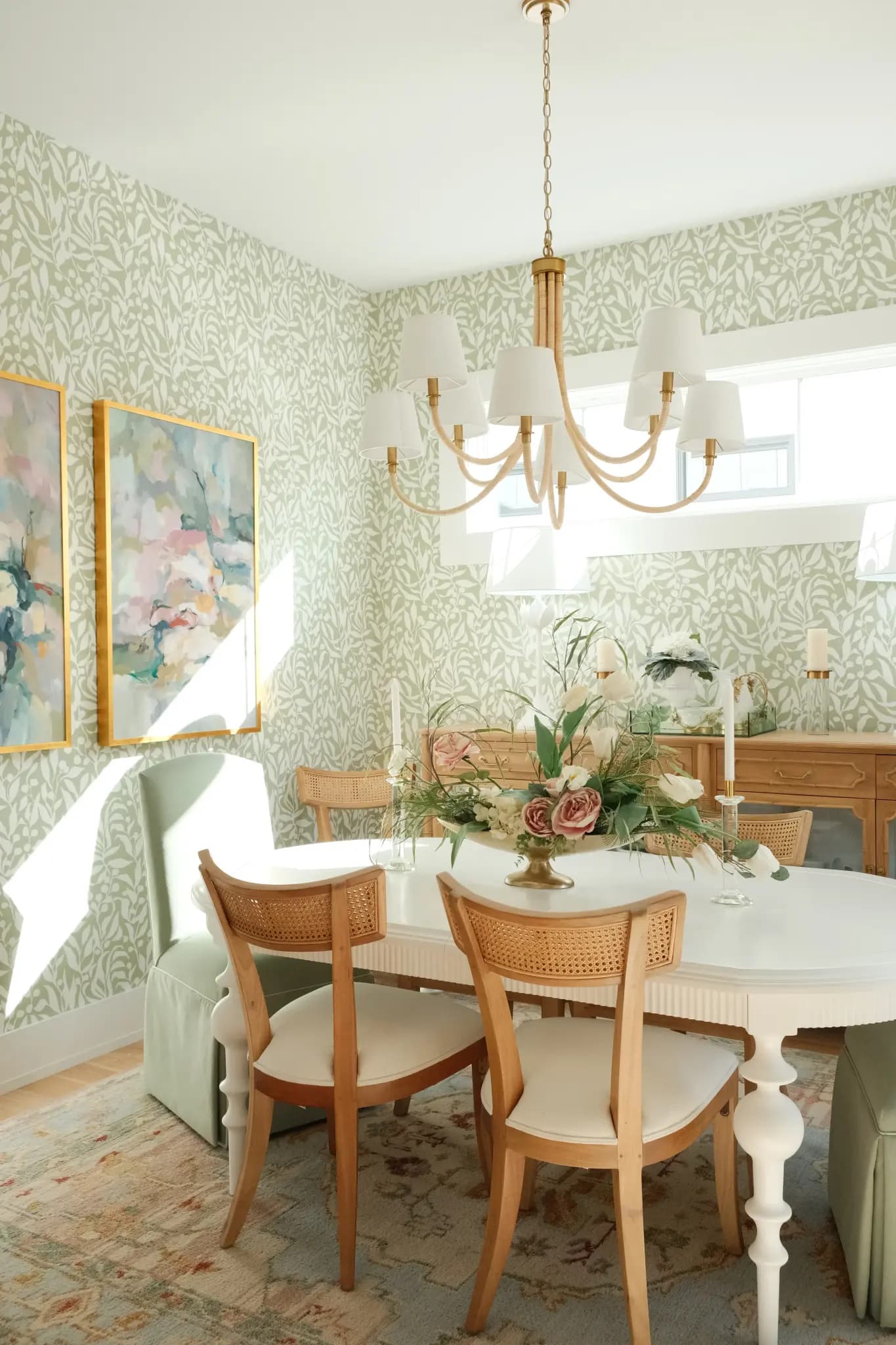
One of the first questions people ask when they start thinking about design is: What's my style?
And honestly, the answer is almost never one clean label. Most people are drawn to elements of multiple styles — the warmth of traditional, the clean lines of modern, the texture of organic contemporary. That's not confusion. That's personality.
Here's how to stop chasing a style label and start building a home that genuinely reflects who you are.
Forget the Labels (For Now)
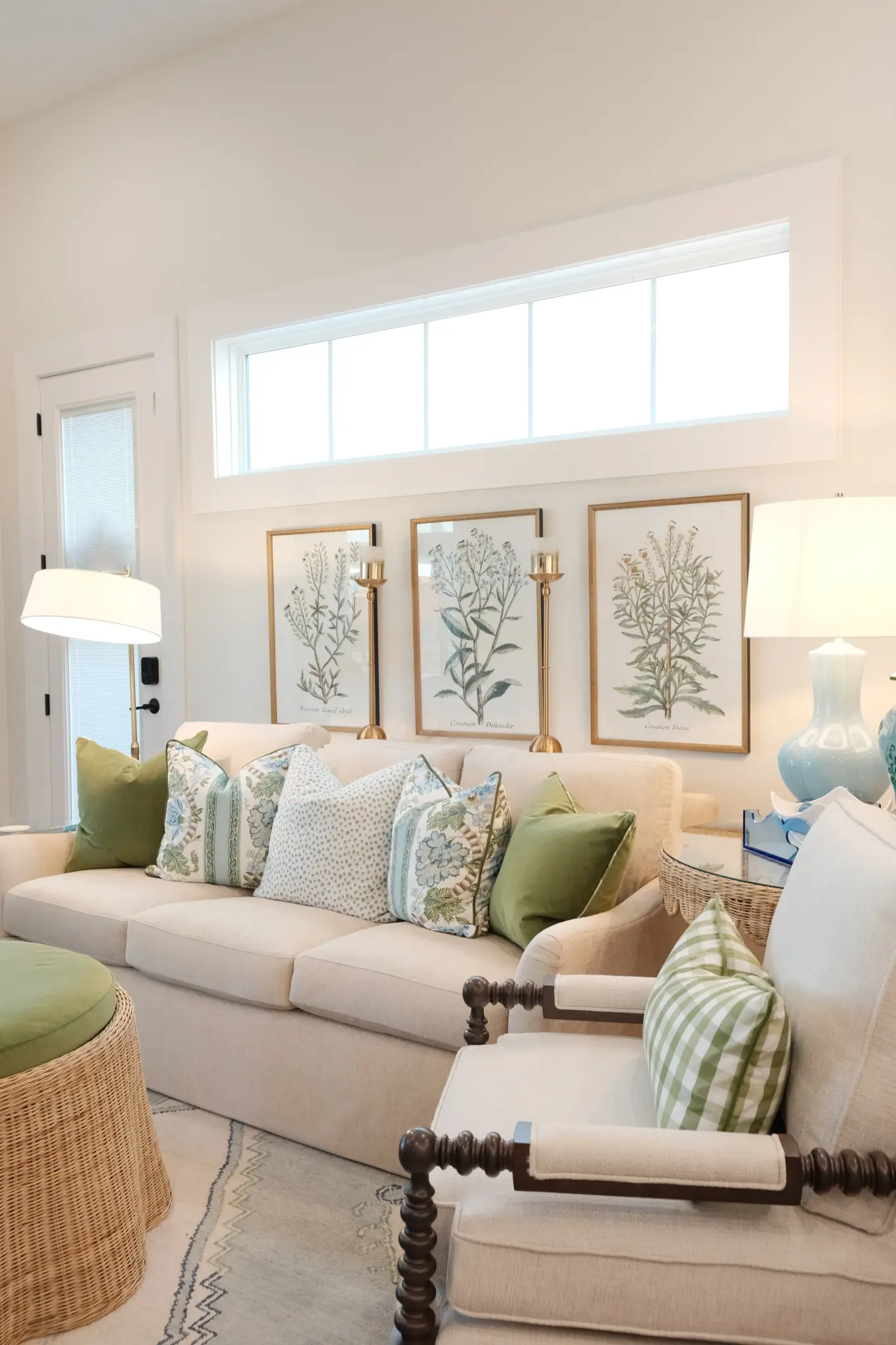
Pinterest boards are wonderful, but they can also create a trap. You pin a mid-century living room, a French country kitchen, and a minimalist bedroom — and suddenly nothing "goes together."
The truth is, the best-designed homes rarely fit neatly into one style. They're a blend — a personal language that borrows from different eras and aesthetics with confidence.
Start here: Instead of naming your style, describe how you want your home to feel. Warm? Calm? Collected? Energizing? That emotional anchor will guide better decisions than any style quiz.
Look at What You Already Love
Walk through your home and notice what you're drawn to. The pieces you've kept the longest, the corner of the room that makes you happiest, the materials that feel right in your hands.
Those instincts are your style compass. A designer's job isn't to override them — it's to refine them into something cohesive.
Understand the Main Style Families
It helps to know the broad categories, not to box yourself in, but to build a vocabulary for what you like:
- Traditional — Warm, layered, with rich fabrics, detailed millwork, and classic silhouettes
- Modern — Clean lines, minimal ornamentation, focus on form and function
- Transitional — The bridge between traditional and modern; timeless with a fresh edge
- Organic contemporary — Natural textures, earthy tones, sculptural forms
- Mid-century modern — Retro shapes, warm woods, bold graphic moments
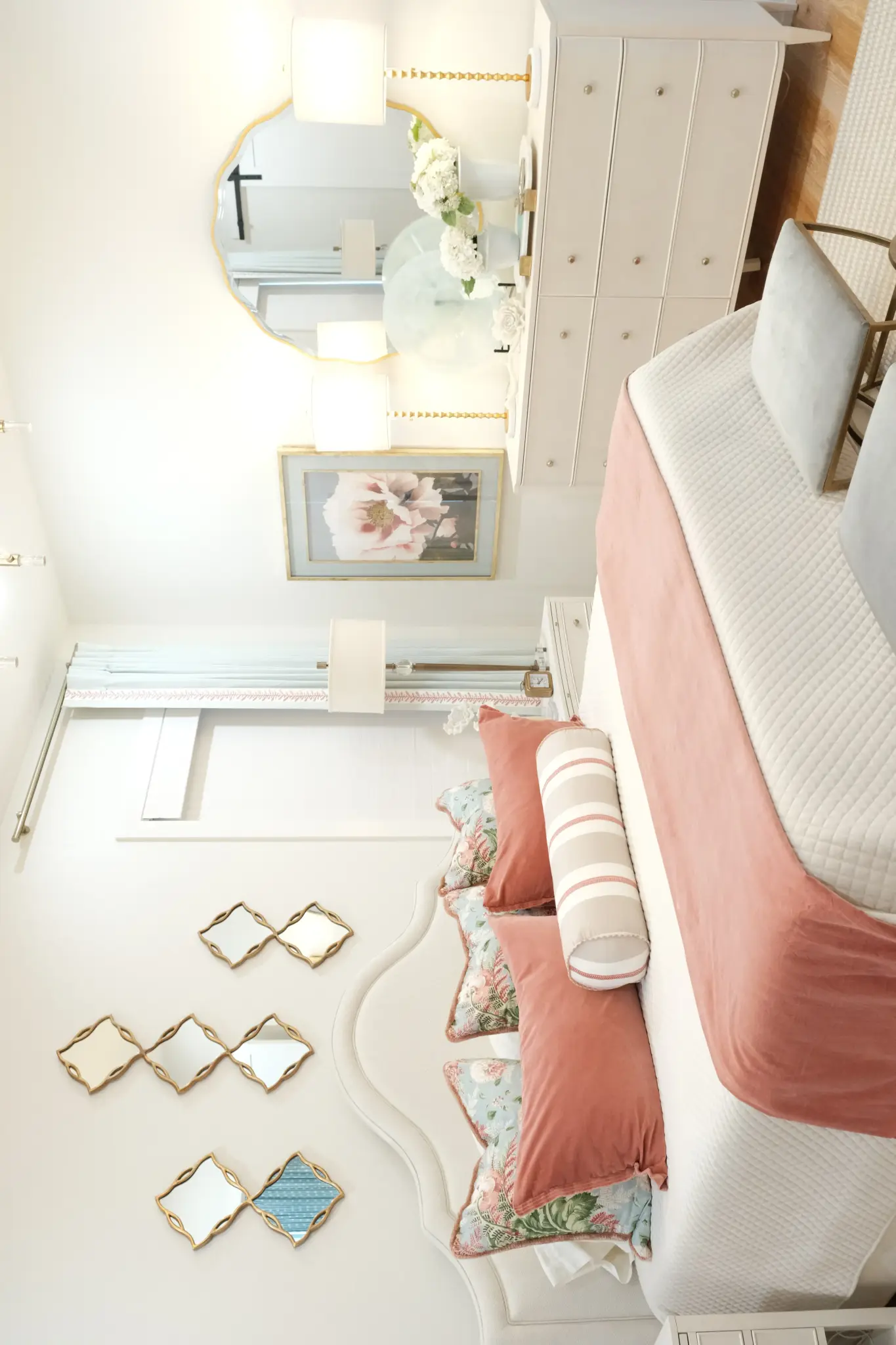
Most people land somewhere between two or three of these. That overlap is where the magic happens.
Avoid the Trend Trap
The fastest way to end up with a home that feels dated in three years is to chase whatever is trending on social media this month.
Trends are useful for inspiration, not as a blueprint. The arched mirror craze, the all-white-everything phase, the aggressive minimalism wave — they come and go.
A better approach: Choose foundational pieces (sofa, dining table, cabinetry) in styles you've loved for years. Let trends live in the easily swappable elements — pillows, accessories, paint colors.
Let Your Architecture Guide You
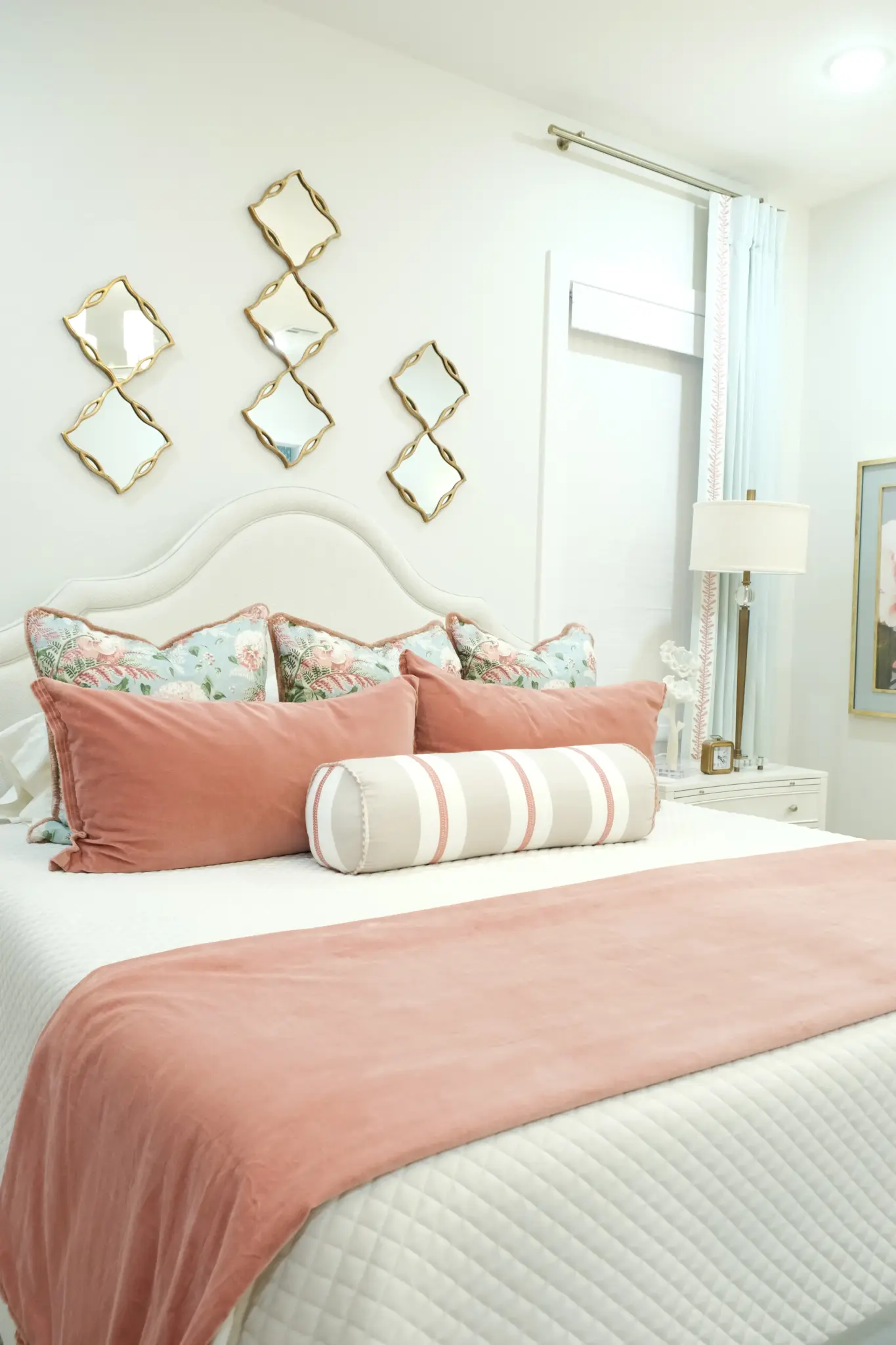
Your home's bones have a lot to say about what style will feel most natural inside it.
A Craftsman bungalow will feel best with warm, grounded design choices. A modern new-build with clean lines can lean contemporary without fighting its architecture. A ranch-style home might embrace mid-century roots or go fully transitional.
Working with your architecture, rather than against it, creates a home that feels whole from the moment you walk in.
The M Grace Approach
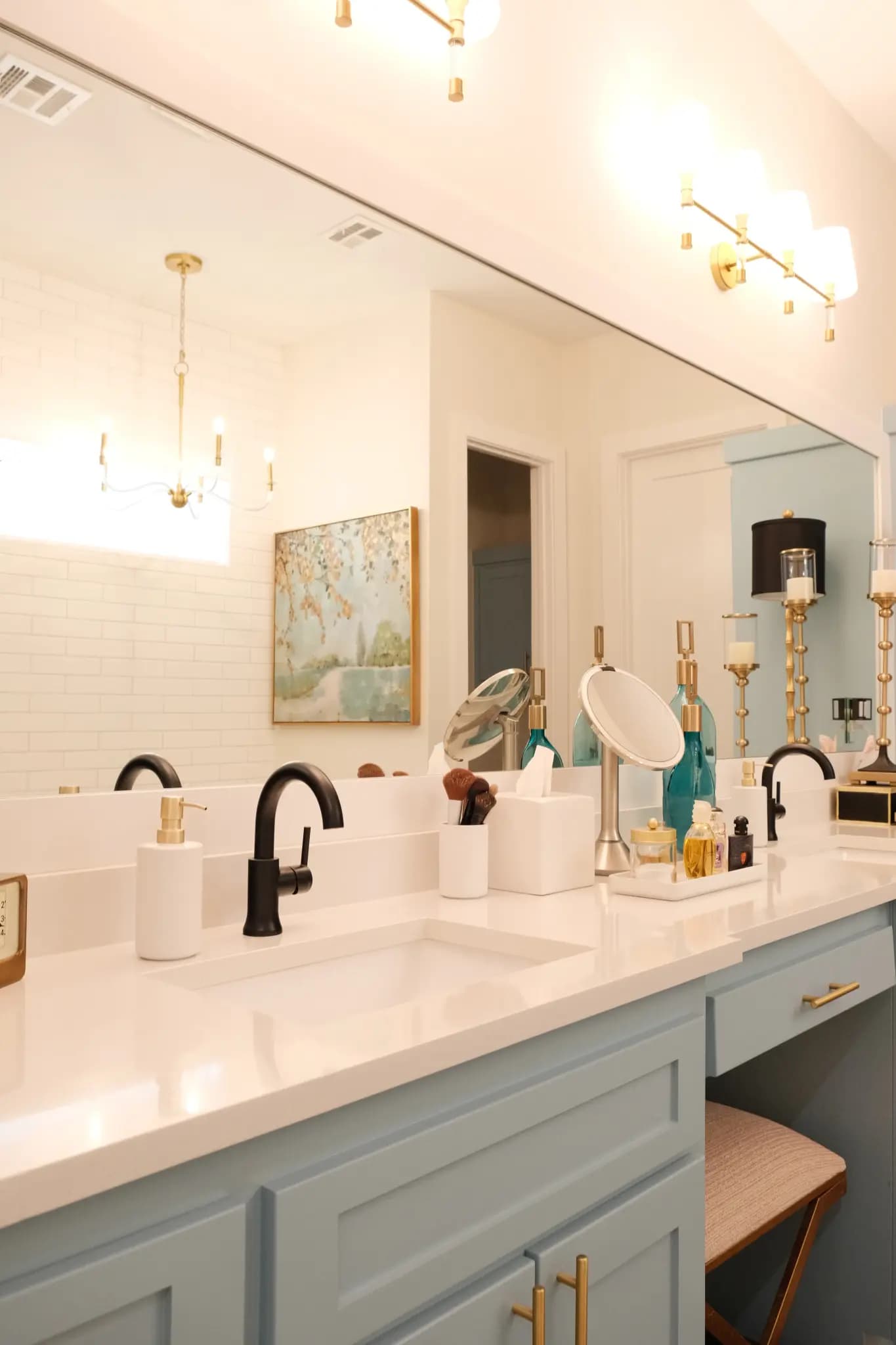
At M Grace at Home, we don't believe in style boxes. We believe in spaces that feel like the people who live in them — collected, intentional, and unapologetically personal.
Our process starts by getting to know you, not by assigning a label. From there, we curate a direction that honors your instincts while bringing the polish, proportion, and cohesion that makes a space truly sing.
Not sure where your style lands? Book a consultation and let's figure it out together — no labels required.
You might also enjoy
Schedule a Consultation
Ready to transform your space? Share a few details and we'll be in touch. Include an email or phone so we can reply.